
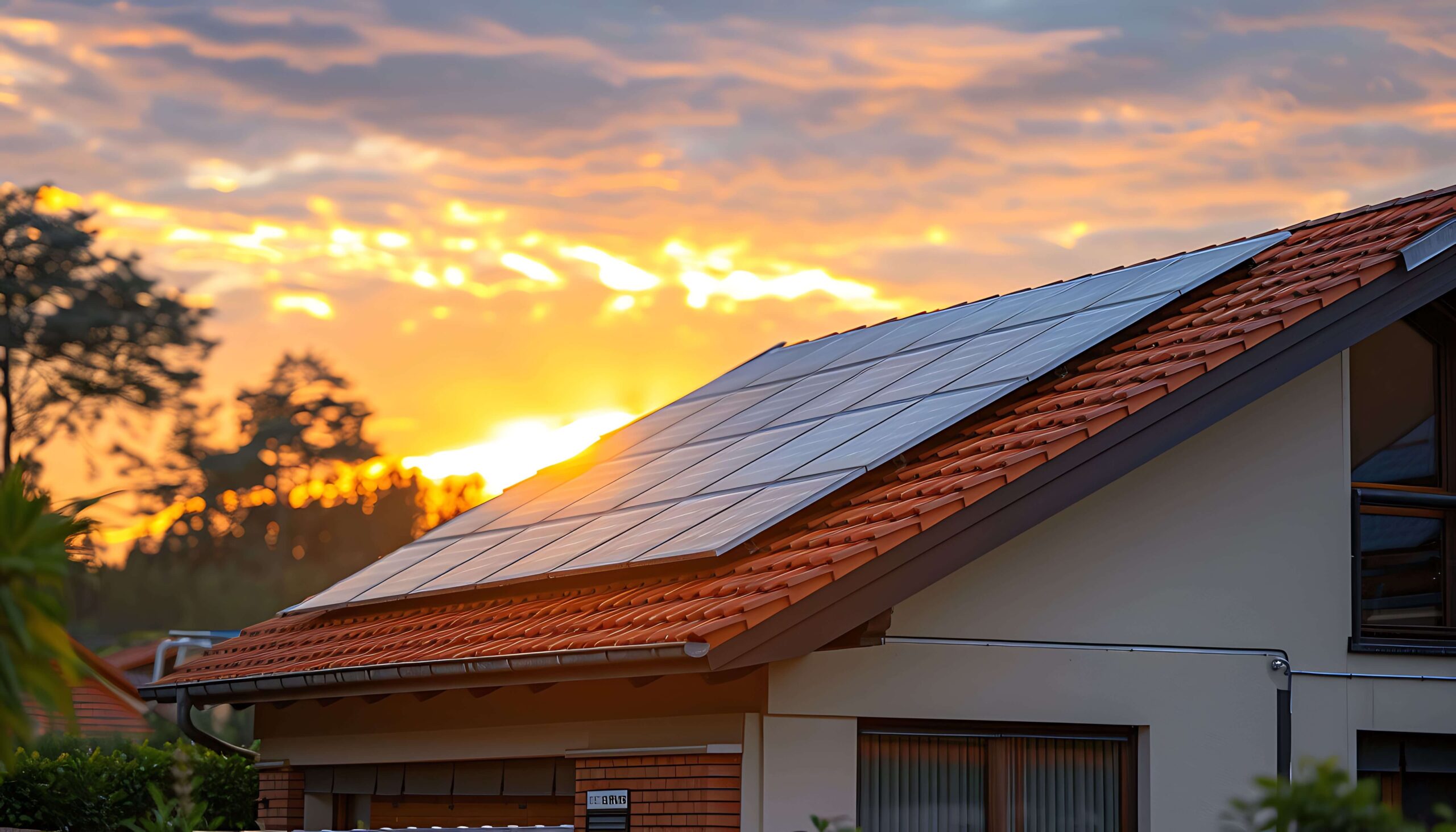
Why Choose Solar Panels for Home?
Solar systems are attractive to households because they present the irresistible opportunity to take control of their power supply and be self-sufficient. That means that homeowners can contribute to preserving the environment, have a say over their energy bills, be more self-reliant with their energy needs, and increase the value of their homes. South Africa’s moderate year-round climate provides the perfect conditions for residential solar systems to operate at peak effectiveness. Solar panels for home function best at around 25°C – temperatures commonly encountered across the nation.
If you’re a homeowner planning on switching to solar, this guide will give you everything you need to know about residential solar systems to get you started! By the time you’ve read it, you will have learned about how they work and how to choose the right system for your home.
Understanding Residential Solar Systems
Definition
Residential solar systems are setups that allow homeowners to generate electricity using solar energy. Home solar systems capture sunlight with solar panels and convert it into usable electricity through an inverter. The energy can either immediately power the home or be stored in a battery for later use; a process that makes it possible to reduce dependency on the traditional power grid and transition to a greener, more sustainable energy source.
Components of a Residential Solar System
Solar Panels
Solar Panels are the core of any solar system, absorbing sunlight and converting it into direct current (DC) electricity.
Inverter
Inverters convert DC electricity produced by the solar panels into alternating current (AC) used by household appliances.
Battery Storage
Solar batteries store excess energy for use during cloudy days or at night.
Mounting System
The mounting system keeps the solar panels securely installed on the roof or ground.Monitoring System
Monitoring systems empower homeowners to track energy production and system performance.
The Benefits of Residential Solar Systems
Environmental Impact
For an environmentally conscious consumer, switching to solar power for home reduces a home’s carbon footprint. Homeowners looking to contribute to a healthier planet will find that installing solar panels is a constructive way to make a positive impact.
Financial Savings
One of the biggest appeals of residential solar systems is the long-term financial savings. After the initial installation cost, solar panels help lower electricity bills by generating free and conservable energy from the sun. As energy prices continue to rise, the cost-saving potential becomes more worthwhile, allowing homeowners to lock in lower energy costs and avoid fluctuations in municipal rates.
Many solar systems pay for themselves within a few years, and with a lifespan of 25 years or more, homeowners can enjoy decades of virtually free electricity. Also, government incentives can help to lower the upfront cost and speed up the return on investment even further. The financial benefits of solar energy are not only immediate but continue to grow over time and make it a wise investment for both your wallet and your home.
Energy Independence
A residential solar system gives homeowners a chance to become energy-independent, minimising reliance on national grid electricity. In areas prone to power outages, load-reduction, or load-shedding, having a solar system with battery storage guarantees a continuous power supply.
Choosing the Right Residential Solar System
Multiple factors must be considered when choosing a solar system. The first is your energy needs, how much electricity does your household consume? The size of your system should match your energy usage to maximise effectiveness. The next is roof space and orientation. Solar panels work best on south-facing roofs with plenty of sunlight, so make sure your roof is ideal for installation. Your budget is the final major component to account for. While solar systems offer long-term savings, initial costs can differ. It’s important to find a quality system that fits your budget.
Comparing Different Systems
There are several types of solar systems to review, and we’ll summarise them in this section.
Grid-Tied Solar Systems
Grid-tied systems are connected to the local municipal grid. When your panels produce more energy than you need, you can feed the surplus back to the grid.
Off-Grid Solar Systems
Off-grid systems are suitable for remote areas because they operate independently of the local grid. They rely entirely on battery storage for power.
Hybrid Solar Systems
A combination of grid-tied and off-grid systems, hybrid setups allow you to store spare energy in a battery and use it when the grid is down.
Installation and Maintenance
Installation Process
Residential solar system installation involves a few steps, which start with a site assessment. This is where a professional installer will assess your property to determine the best placement for your solar panels. The installer will then design a custom solar system based on your home’s energy needs and roof configuration. They will also help you secure the necessary permits and approvals from local authorities. This installation of the solar panels, the inverter, and other components typically takes one to three days.
Connection, Maintenance, and System Performance
Your system will be connected to the grid (if applicable) and tested for proper operation once it has been installed. A solar system for your house is relatively low maintenance, but regular upkeep can certify optimal performance. Make sure to clean panels regularly because dust and debris can limit system performance. Experts recommend cleaning the panels a few times a year.
Monitor the system performance by using the monitoring system to track energy production and catch any potential issues early. Additionally, schedule frequent professional inspections. Having a professional inspect your system every few years can sustain everything and keep it functioning properly.
Financial Incentives and Rebates
Government Programmes
Many governments offer incentives to encourage the adoption of solar energy. In South Africa, homeowners can benefit from solar tax incentives or rebates that help offset the cost of installation. According to the South African Revenue Service (SARS), 25% of the cost of new and unused PV panels (up to a maximum rebate of R15,000) can be claimed.
Financing Options
Many financing options are available if the upfront cost of a solar system seems daunting. With Alumo, you have the choice between renting and owning solar panels for your home. We provide flexible financing alternatives for both.
If you’re looking to rent your home solar system, you can opt for a monthly subscription or rent-to-own service.
If you’d rather buy solar power for your home, you purchase the system outright and start saving on your energy after the upfront payment or use our affordable solar financing.
Whatever your funding preference, Alumo will go out of its way to make solar accessible to you.
What Our Customers Are Saying About Us
As you make a final decision, look at what our customers have to say about their contact with Alumo and our residential solar systems.
After we converted his carport to install 16x405w panels and an Alpha ESS Smile 5 with 2x5kw batteries for his property, House Nickols said he experienced an amazing service from our technicians and he would highly recommend us. He applauded the interactions with our team from the first call until the system was up and running and added that he was very happy.
Taemane Golf View Estate found that dealing with us for the installation of their Alpha ESS solar system was a pleasant experience. They stated that the Alumo installation team was professional and gave a quality of work that was of a high standard. They also said their Alpha ESS system has been working flawlessly.
These reviews are just a glimpse of the positive feedback we’ve received from homeowners who have chosen Alumo for their solar power needs. Our commitment to top-quality installations and exceptional customer service speaks for itself. What are you waiting for? Join the solar revolution and feel the difference for yourself!
Conclusion
Residential solar systems are a smart investment for homeowners looking to cut down their energy costs, minimise their environmental impact, and gain energy independence. Selecting the right system depends on your energy needs, budget, and property layout. You can enjoy the long-term benefits of clean, renewable energy for your home by choosing a respectable installer like Alumo.
Don’t wait – take control of your energy security today! We supply flexible solutions that make going solar simple and affordable, whether you’re ready to rent or buy your system. Contact Alumo to book a home solar assessment. You can also visit our website to learn more, or request a quote, and start enjoying the long-term benefits of clean, renewable energy in your home.